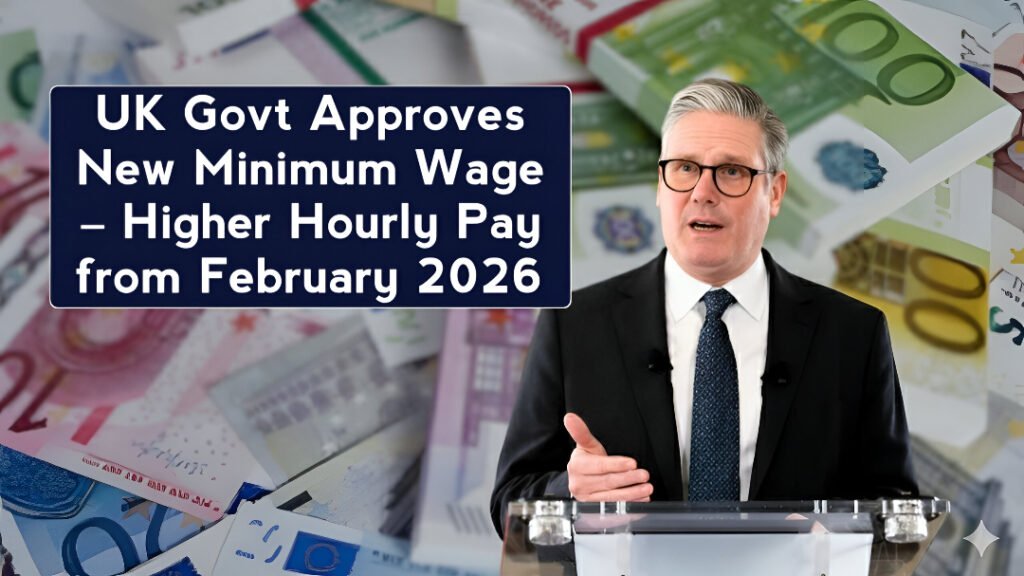
Hello Everyone, The UK government has officially approved a new minimum wage structure that will come into effect from February 2026. This decision is being seen as a significant move aimed at supporting low-income workers during a time of continued cost-of-living pressure. Rising housing costs, energy bills, and everyday expenses have made wage growth a critical issue across the country. The announcement has already sparked discussions among workers, employers, and economists about how the changes may shape the UK labour market in the coming years.
What the Announcement Means
The approval confirms that hourly pay rates under the UK minimum wage system will rise in early 2026. While the exact figures vary by age group and worker category, the overall direction is clear: higher take-home pay for millions. The government’s move reflects recommendations from labour market reviews and consultations with industry bodies. For many workers, especially those on the lowest incomes, even a modest hourly increase can make a noticeable difference in managing monthly expenses.
Why February 2026 Matters
Unlike some previous wage updates that began in April, this change is scheduled for February 2026. That timing is important because it aligns with ongoing economic adjustments following inflationary pressures. Introducing the rise earlier in the year may help households stabilise finances sooner rather than waiting for the next financial cycle. For employers, it also signals the need to plan ahead, as payroll adjustments will come earlier than many businesses might normally expect.
Who Will Benefit the Most
The revised minimum wage is expected to benefit a wide range of workers across the UK. Employees in retail, hospitality, social care, and logistics are among those most likely to feel the impact. Younger workers and part-time staff, who often rely on hourly pay, may also see improved earnings. In regions where wages tend to be lower, the increase could help reduce income gaps and provide a small but meaningful boost to local economies.

Key Groups Likely to Gain
- Full-time minimum wage workers across England, Scotland, Wales, and Northern Ireland
- Part-time and shift-based workers in service sectors
- Younger employees moving closer to adult wage levels
- Households relying on single or hourly incomes
Impact on Cost of Living
Higher hourly pay alone does not solve the cost-of-living challenge, but it can help soften its impact. Increased wages may allow workers to better manage essentials such as food, transport, and energy bills. For many families, this could reduce reliance on credit or short-term borrowing. However, the real benefit will depend on how wages balance against inflation trends over the next year and whether prices continue to rise at a slower pace.
Employer Perspective
From an employer’s point of view, the new minimum wage presents both challenges and opportunities. Businesses will need to adjust budgets, particularly in sectors with tight margins. Some employers may review staffing levels or pricing strategies. On the positive side, better pay can improve staff retention, morale, and productivity. Many UK businesses recognise that fairly paid employees are more engaged and less likely to leave, reducing long-term recruitment costs.
How Businesses Are Preparing
- Reviewing payroll and employment contracts early
- Updating financial forecasts for 2026
- Exploring productivity improvements
- Communicating changes clearly with staff
Regional Effects Across the UK
The impact of the new minimum wage will not be identical across the UK. Areas with higher living costs, such as London and parts of the South East, may still feel pressure despite the increase. In contrast, regions with lower average wages could see a stronger relative benefit. Local economies may experience increased spending as workers have slightly more disposable income, supporting small businesses and services within communities.
Government’s Broader Wage Strategy
This approval fits into a wider government strategy focused on fair pay and sustainable employment. Alongside minimum wage reviews, there has been continued discussion around employment rights, job security, and skills development. The aim is not only to raise wages but also to create a labour market that supports long-term economic stability. The February 2026 change is one step within a broader policy framework rather than a standalone measure.
Public Reaction So Far
Initial public reaction has been mixed but largely positive among workers. Many see the decision as overdue, given recent economic pressures. Some campaign groups argue that wages still need to rise faster to truly match living costs. Employers’ groups, meanwhile, have called for careful implementation to avoid unintended consequences for small businesses. Overall, the announcement has reopened national debate about what constitutes a fair wage in modern Britain.
What Workers Should Do Now
Workers currently on or near the minimum wage may want to stay informed over the coming months. Employers are expected to communicate updated rates closer to the implementation date. Checking payslips, employment contracts, and official government guidance will be important. For some, the change could also be a good moment to review working hours or discuss progression opportunities within their role.
Final Thoughts
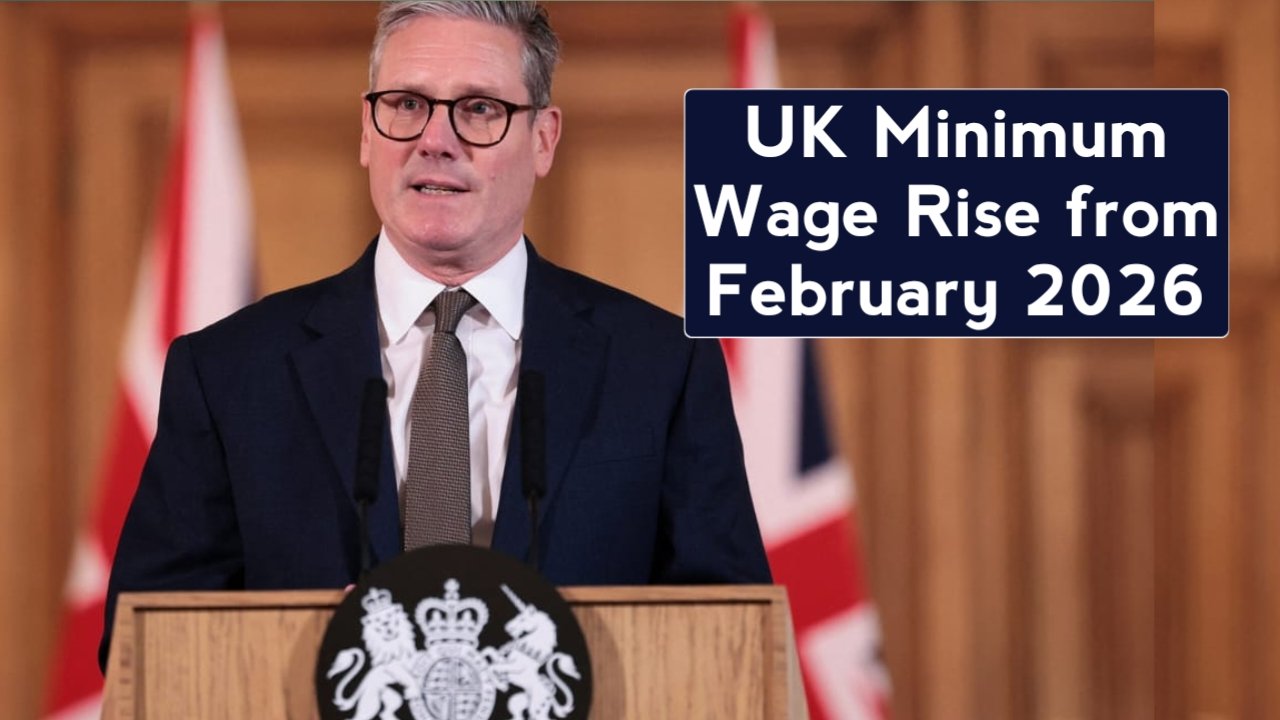
The UK government’s approval of a higher minimum wage from February 2026 marks a meaningful development for the country’s workforce. While it may not solve every financial challenge, it represents a clear commitment to improving pay for millions of workers. The true impact will become clearer once the changes take effect, but for now, the decision offers cautious optimism for households and signals continued focus on fair wages across the UK.
Disclaimer : This article is for informational purposes only and does not constitute financial, legal, or employment advice. Minimum wage rates, eligibility, and implementation details may change based on official UK government guidance. Readers should consult official sources or professional advisors for the most accurate and up-to-date information.