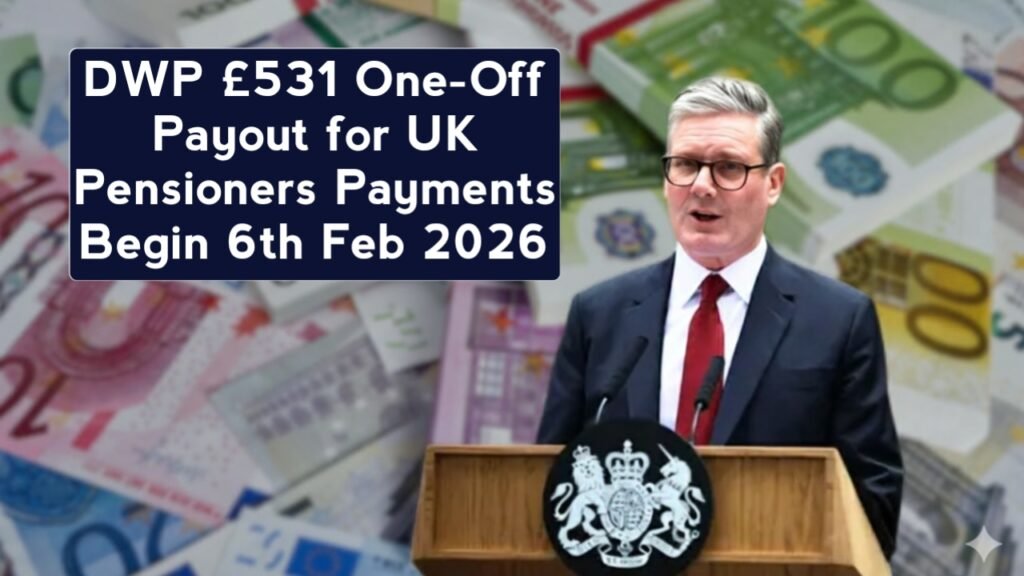
Hello Everyone, UK pensioners are set for a financial boost this week as the Department for Work and Pensions (DWP) begins distributing a specific one-off payment of £531. Starting from 6th February 2026, eligible retirees across England, Scotland, Wales, and Northern Ireland will see these funds land in their bank accounts. This initiative comes at a critical time when many households are still navigating the complexities of post-winter energy costs and general inflation.
The timing of this payment is strategic, designed to bridge the gap before the standard spring uplift in State Pension rates. While the DWP often issues seasonal support, this particular figure has caught many by surprise. It serves as a targeted intervention for those on lower incomes who rely heavily on government support to maintain their quality of life.
Who Qualifies for the Payment?
Not every person of pensionable age will automatically receive this £531 sum. The DWP has established specific criteria to ensure the money reaches those in the greatest financial need. Primarily, the payment is aimed at pensioners who are currently in receipt of Pension Credit or other means-tested benefits. This ensures that the support is progressive, focusing on individuals with limited savings and modest weekly incomes.
Eligibility is usually determined by your status during a “qualifying week” late last year. If you were eligible for Pension Credit during that window, you are likely on the list for this automatic payout. It is important to note that you do not need to be living alone to qualify, though your household income will have been assessed during your initial benefit application.

Automatic Payments and Dates
One of the most reassuring aspects of this rollout is that it is entirely automatic. There is no complex application form to fill out and no need to spend hours on hold with a government helpline. If you meet the criteria, the DWP will deposit the £531 directly into the same bank or building society account where you receive your regular State Pension.
Payments are scheduled to begin on 6th February 2026, but they will be phased over several business days. If you don’t see the money in your account on the very first day, there is no need to panic. The DWP expects the vast majority of transactions to be completed within a fortnight. Keep a close eye on your bank statement for a reference containing “DWP” and “COL” (Cost of Living).
Why the £531 Figure Matters
The specific amount of £531 has been calculated based on updated economic forecasts for 2026. While it might seem like a random number, it represents a calculated adjustment to help offset the rising costs of essential services. For many, this isn’t just “extra” money; it is the difference between keeping the heating on for longer or being able to afford healthy, fresh produce. Key benefits of this one-off payment include:
- Immediate Debt Relief: Many pensioners use these lump sums to clear small arrears on utility bills.
- Essential Home Maintenance: The funds can cover small, urgent repairs that are often deferred due to tight budgets.
- Reduced Anxiety: Financial certainty significantly improves mental health among the elderly population during the colder months.
- Local Economy Boost: A large portion of this money is typically spent in local shops, supporting community businesses.
Impact on Other Benefits
A common concern among UK retirees is whether a sudden influx of cash will affect their other entitlements, such as Housing Benefit or Council Tax Support. Fortunately, the DWP has confirmed that this £531 payout is tax-free and will not count as income for the purposes of calculating other means-tested benefits. It is a “top-up” rather than a replacement for existing support systems.
This means you can accept the payment with total peace of mind. Your monthly pension and any local authority support will remain unchanged. The government treats these one-off payments as emergency relief, ensuring that the full value of the £531 stays in the pocket of the pensioner rather than being clawed back through other administrative channels.
Avoiding Potential Scams
Whenever the DWP announces a new payment, fraudsters unfortunately try to take advantage of the news. It is vital to remember that the DWP will never text or email you asking for your bank details to “process” this £531 payment. Because the system is automatic, they already have the information they need to get the money to you safely.
If you receive a suspicious message containing a link or asking for personal data, do not click it. Genuine government communications will usually arrive via post or through your official “My Pension” online portal. If you are ever in doubt, you can contact the Pension Service directly through the official GOV.UK website to verify the status of your account.
Preparing for the 6th of February
As the 6th of February approaches, it is a good idea to ensure your bank details are up to date if you have recently moved or changed accounts. While the process is seamless for most, a simple check can prevent delays. This payment is part of a broader package of support aimed at ensuring no one is left behind as the UK navigates changing economic landscapes. Steps to take this week:
- Check Your Statements: Regularly monitor your account from the 6th onwards to confirm receipt.
- Review Your Budget: Plan how to best utilize the £531 to cover upcoming spring expenses.
- Update Contact Info: Ensure the DWP has your current address to receive any follow-up correspondence.
- Spread the Word: Ensure friends and neighbors in the same age bracket are aware of the upcoming payment.
Final Thoughts
The announcement of the £531 one-off payout is a welcome relief for thousands of UK pensioners. By starting the rollout on 6th February, the DWP is providing a much-needed safety net during the tail end of the winter season. This support reflects an ongoing commitment to protecting the most vulnerable members of society. While it may not solve every financial challenge, it offers a significant cushion and peace of mind for the months ahead.
Disclaimer: This article is for informational purposes only and does not constitute financial advice. Payment eligibility is determined solely by the DWP. Dates and amounts are subject to government change. Always verify information through official GOV.UK channels or consult a qualified financial advisor regarding your specific benefit entitlements.