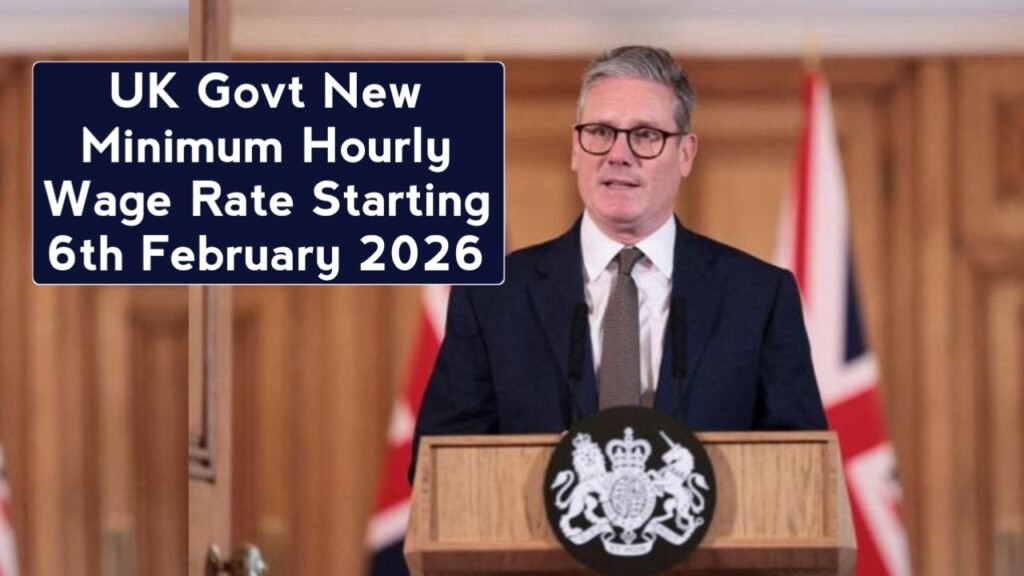
Hello Everyone, The UK Government has officially announced a new minimum hourly wage rate that will come into effect from 6th February 2026. This update is part of a wider effort to support workers facing rising living costs across the country. For millions of employees, especially those on lower incomes, this change represents a meaningful improvement in weekly and monthly earnings. The announcement has already sparked discussions among employers, employees, and economic experts. While wage changes are not new, the timing and scale of this update make it particularly important for households across England, Scotland, Wales, and Northern Ireland.
Why the Change Matters
Minimum wage updates directly affect everyday life for working people in the UK. From rent and council tax to food and transport, basic expenses have increased steadily over recent years. The new hourly rate aims to reduce financial pressure on workers who rely on hourly pay. For many families, even a small increase can make budgeting easier. The government has stated that this decision is designed to balance fair pay with economic stability, ensuring businesses can continue operating while workers receive wages that better reflect modern living costs.
Start Date and Implementation
The new minimum wage rate will officially apply from 6th February 2026, meaning workers should see the change reflected in their payslips shortly after this date. Employers are legally required to comply from day one, regardless of business size. Payroll systems, contracts, and wage calculations must be updated in time to avoid underpayment issues. HMRC will continue monitoring compliance, as failure to pay the correct minimum wage can result in penalties. Employees are encouraged to check their wage slips carefully during the first payment cycle after implementation.
Who Will Benefit Most
This wage increase will benefit a wide range of workers across different sectors. Retail staff, hospitality workers, cleaners, care assistants, and entry-level employees are expected to see the most direct impact. Younger workers and part-time employees will also gain, especially those working flexible hours. Many of these roles form the backbone of the UK economy but often receive lower hourly pay. The government has highlighted that improving earnings at the lower end of the pay scale can help reduce income inequality and strengthen workforce motivation.

Key Groups Affected
The new minimum wage rate applies across several employment categories, ensuring broad coverage for workers throughout the UK.
- Full-time and part-time employees on minimum wage contracts
- Temporary, casual, and zero-hour contract workers
- Eligible apprentices and younger workers under defined age bands
These groups form a significant portion of the UK labour market. Ensuring fair pay for them is seen as essential for economic resilience and long-term workforce stability.
Impact on Employers
Employers across the UK are now preparing for the financial and operational impact of the new wage rate. While larger organisations may adapt more easily, small and medium-sized businesses may need to review budgets carefully. Some employers are focusing on productivity improvements and smarter scheduling to manage increased payroll costs. The government has reassured businesses that the increase has been planned with economic conditions in mind. Support and guidance will be available to help employers remain compliant without compromising service quality or employment levels.
Cost of Living Connection
The minimum wage update is closely linked to ongoing cost of living concerns in the UK. Energy bills, food prices, housing costs, and transport fares have all placed pressure on household finances. By raising the hourly wage, the government aims to help workers keep pace with these expenses. Although the increase may not solve every financial challenge, it is expected to provide some breathing space. For many workers, the extra income could mean fewer credit repayments and improved financial security month by month.
Regional Relevance Across the UK
Although the minimum wage is set at a national level, its impact varies across UK regions. In areas with higher living costs, such as London and the South East, workers may still feel financial strain despite the increase. In other regions, the higher wage may stretch further and noticeably improve living standards. This national approach ensures fairness and consistency while allowing local economies to respond differently. Overall, the update is designed to benefit workers regardless of postcode, reinforcing nationwide wage protection.
Legal Responsibilities Explained
Employers must understand their legal duties under the new wage rules. Compliance is not optional, and ignorance of the law is not accepted as an excuse. HMRC has the authority to investigate complaints and conduct checks. Workers who believe they are being underpaid have the right to raise concerns confidentially. Penalties for non-compliance can include fines and public naming of businesses. The government continues to emphasise that fair pay is a legal and moral responsibility for all UK employers.

What Employees Should Check
Workers should remain proactive once the new rate takes effect. Checking payslips and understanding hourly calculations is essential. Employees should ensure overtime, training hours, and waiting time are counted correctly where applicable. Any discrepancies should be raised promptly with employers. If issues remain unresolved, official channels are available for support. Awareness plays a key role in making sure the new minimum wage delivers its intended benefits. An informed workforce helps maintain fairness and accountability across all sectors.
Wider Economic Effects
Raising the minimum wage can have ripple effects throughout the UK economy. Increased earnings often lead to higher consumer spending, which benefits local businesses. At the same time, employers may review pricing strategies or staffing models. Economists generally agree that carefully planned wage increases can support economic growth when aligned with productivity levels. The February 2026 update reflects this balance, aiming to strengthen purchasing power without triggering widespread inflationary pressure across the economy.
How Businesses Are Preparing
UK businesses are taking various steps to prepare for the new wage rate. Many are reviewing employment contracts, updating payroll software, and forecasting costs for the year ahead.
- Adjusting budgets to reflect higher wage expenses
- Investing in staff training and efficiency improvements
- Seeking professional advice on wage compliance and planning
These actions help businesses stay compliant while continuing to operate sustainably in a changing economic environment.
Public Reaction So Far
Public response to the announcement has been largely positive, particularly among workers and trade unions. Many see the change as overdue and necessary. Some business groups have expressed caution, urging continued government support for smaller firms. Overall, the reaction highlights the importance of fair wages in modern Britain. The debate also reflects broader conversations about income, productivity, and the future of work in the UK. As February approaches, attention will turn from policy discussion to real-world impact.
Looking Ahead
The February 2026 minimum wage update may not be the final change in the coming years. The government has indicated that wage levels will continue to be reviewed regularly, based on economic conditions and living costs. For workers, this provides some reassurance that pay protection remains a priority. For employers, it reinforces the need for long-term planning. The new rate marks another step in shaping a fairer and more resilient UK labour market.
Conclusion
The UK Government’s decision to introduce a new minimum hourly wage from 6th February 2026 is a significant move for workers and employers alike. It reflects ongoing efforts to address living cost pressures while maintaining economic balance. For employees, it offers improved earning potential and financial relief. For businesses, it calls for careful preparation and compliance. Overall, the update reinforces the principle that fair pay is central to a healthy, sustainable UK economy.
Disclaimer: This article is for general informational purposes only and is based on publicly available policy announcements at the time of writing. It does not constitute legal, financial, or employment advice. Wage rules may vary depending on individual circumstances. Readers are advised to consult official UK government sources or seek professional guidance for the most accurate and up-to-date information.