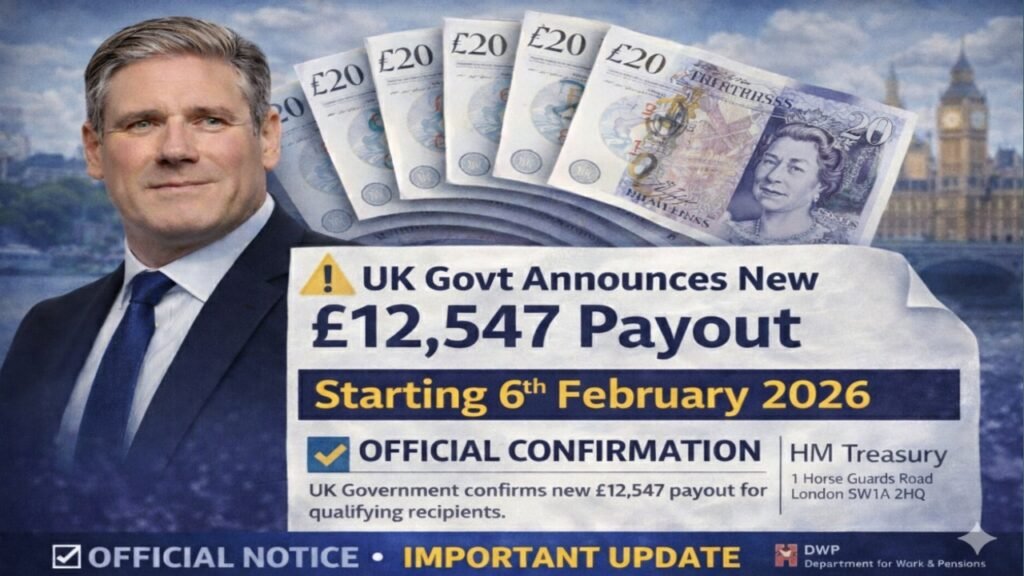
Hello Everyone, The UK government has recently shared some significant news regarding financial support for millions of people across the country. As the cost of living continues to be a major concern for many households, a new figure of £12,547 has surfaced in official discussions. This news has sparked a lot of interest among pensioners and low-income families who are looking for ways to balance their monthly budgets more effectively.
Understanding these updates is crucial because they often involve complex rules about who can claim what. The Department for Work and Pensions (DWP) has been working on these adjustments to ensure that the support keeps pace with the current economic climate. Whether you are already receiving benefits or planning for your retirement, this new payout confirmation marks a vital shift in the UK’s financial support landscape for the coming year.
The Triple Lock Impact
The figure of £12,547 is not just a random number; it is closely tied to the “Triple Lock” mechanism. This system ensures that the State Pension increases every year by whichever is highest: earnings growth, inflation, or a minimum of 2.5%. Because of recent wage growth trends in the UK, the government has moved to increase the full New State Pension to this new annual level.
This increase is designed to help retirees keep up with the rising costs of essentials like heating and groceries. For many, this represents a significant jump in their yearly income, providing a bit more breathing room. While the official start of the new tax year is in April, the confirmation of these figures usually happens much earlier to allow for administrative preparations across various government departments.

Key Dates for Your Calendar
While the new annual rate is set, many people are asking about the significance of February 2026. This is the period when the government traditionally begins sending out official notification letters to eligible individuals. These letters detail exactly how much their specific payments will increase. It is also a time when “Cost of Living” support measures often see their final rollouts for the winter season.
- 6th February 2026: Official communications regarding payment adjustments begin.
- April 2026: The new weekly rates for the State Pension officially come into effect.
- Late February: Deadline for checking eligibility for certain backdated pension credits.
Eligibility for the Full Payout
Not everyone will receive the exact amount of £12,547, as this figure represents the full New State Pension. To qualify for this maximum amount, you generally need to have a specific number of qualifying National Insurance years. If you reached the State Pension age before April 2016, you might be under the old system, which has different rates but will also see a proportional increase.
It is worth noting that even if you don’t qualify for the full amount, your payments will still likely rise. The government uses the same percentage increase across different tiers of the pension system. This ensures that all retirees benefit from the Triple Lock’s protections, even if their work history doesn’t entitle them to the highest possible bracket of the New State Pension.
How to Claim Your Support
In most cases, you do not need to do anything to receive this increase. If you are already receiving the State Pension or other related benefits, the DWP will update your payments automatically. The money is typically paid directly into your bank or building society account on your usual payment date. This automatic system helps prevent delays and ensures that everyone gets their entitlement on time.
- Check your bank statements regularly to verify the new amounts.
- Ensure your contact details are up to date with the DWP.
- Look out for your annual uprating letter arriving in the post.
Potential Impact on Income Tax
One thing that often gets overlooked is how these increases affect your tax situation. Since the personal tax allowance has been frozen for several years, a higher pension payout could push some people into the tax-paying bracket. If your total income—including your state pension and any private pensions—exceeds the current threshold, you might see a small amount of tax being deducted.
It is a bit of a “bittersweet” situation for some. While getting more money in your pocket is always a positive thing, having to pay a portion of it back in tax can be frustrating. It is a good idea to speak with a financial advisor or use an online calculator to see how this new £12,547 figure might change your net income after tax.

Additional Support Measures
Beyond the pension, the government is also looking at other ways to support low-income households during the transition. February is often a month where “Cold Weather Payments” are triggered if temperatures drop below a certain level for seven consecutive days. These smaller, temporary payments work alongside the main pension increase to provide a safety net for the most vulnerable members of society.
These additional measures are often targeted at those who receive Pension Credit or other means-tested benefits. If you think you might be eligible for more than just the basic pension, it is worth doing a quick check on the official GOV.UK website. Thousands of people miss out on extra money every year simply because they don’t realize they are eligible to claim it.
Final Thoughts
The confirmation of the £12,547 payout is a welcome development for millions of people in the UK. It shows a commitment to protecting the income of the elderly through the Triple Lock system. While the rising cost of living continues to pose challenges, these steady increases provide a level of certainty and security that is essential for long-term financial planning. Stay informed and keep an eye on your mail this February for your personal update.
Disclaimer: This article is for informational purposes only and does not constitute financial or legal advice. Benefit rates and eligibility criteria are subject to change by the UK government. Always verify your specific details and entitlement through the official Department for Work and Pensions (DWP) website or a qualified professional.